The Save the Black Cockatoos Coalition is a newly formed organisation made up of WA’s peak environmental groups, scientists and Indigenous Elders to address the crisis facing WA’s black cockatoos.
Together, we are calling on the State Government to enact an Emergency Plan to save the dwindling population of WA’s black cockatoos. Namely, our focus is on saving:
 Ngolyenok (Carnaby’s Cockatoo)
 Ngolak (Baudin’s Cockatoo)
 Karak (Forest Red-tailed Cockatoo)
All three species have fallen drastically in number and face a high risk of becoming extinct without strong action to protect and expand their habitat.
The lack of food in their diminished habitat has forced many to rely on gardens, orchards, and plantations.
Ngolak’s (Baudin’s) are also being illegally shot in pear and apple orchards throughout the South West while the northern population of Ngolyenok’s (Carnaby’s) are reliant on the Gnangara pine plantation for half their food, which is being chopped down over the next 2 years without being replaced with banksia woodland. Removing the last of this food supply could result in a massive starvation event.
Meanwhile, the Karak (Red-tail), as well as the Carnaby’s and Baudin’s, are threatened by the expansion of bauxite mining. All three species are also affected by ongoing clearing of habitat and inappropriate fire regimes.
Recovery plans for these species have previously been created but the recommendations have not been instigated. To advocate against this, our coalition have launched a petition to investigate this failure and a call for an emergency plan co-designed and managed with Traditional Owners and scientists to be immediately implemented.
At the rally, we will launch the campaign and hand over the start of a petition which we hope to grow over the year until we achieve action from the government. Specifically, we are calling for the following actions from the government to address the major threats faced by the Black Cockatoos:
1. Set targets to expand forests and woodlands.
2. Stop the expansion of bauxite mining in native forests.
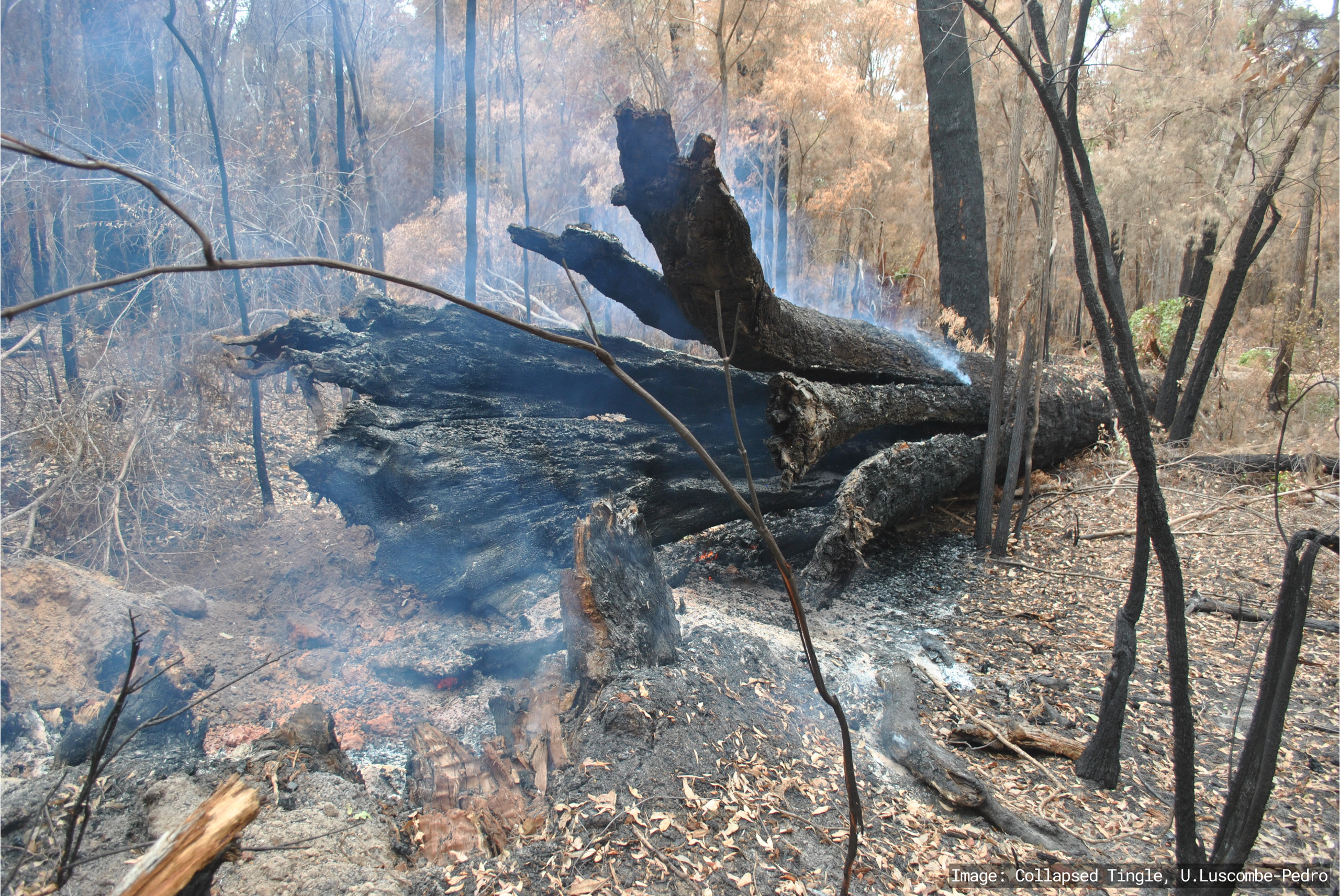
3. Undertake a scientific review of broad-scale prescribed burning.
4. Stop the Illegal shooting of Black Cockatoo in Orchards.
5. Save the Banksia Woodlands on the coastal plain and the Woodlands of the Wheatbelt.
6. Stop clearing the Gnangara pine plantation until the Banksia Woodland is restored.
7. Encourage the public and local governments to plant Black Cockatoo food trees.

To show your support further, you can: Attend the Rally to Save the Black Cockatoos on 22-2-22: http://bit.ly/BlackCockatooRally
 Print and sign the petition to bring to the rally here:
bit.ly/BlackCockatooPetition