
Protect the Northern Jarrah Forest
The Northern Jarrah Forests are some of the most beautiful, diverse and vulnerable forests on Earth, but their future is severely threatened.
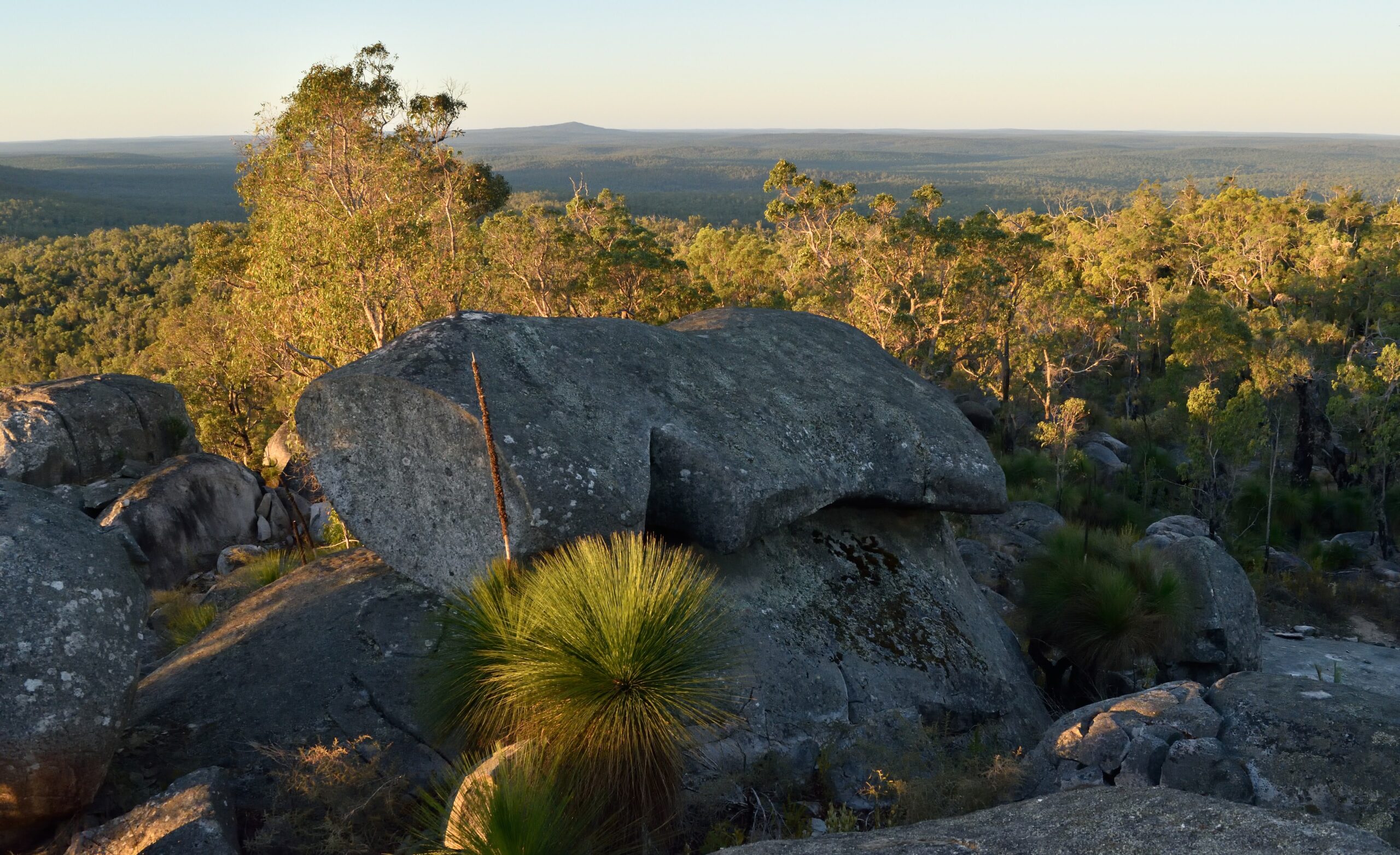
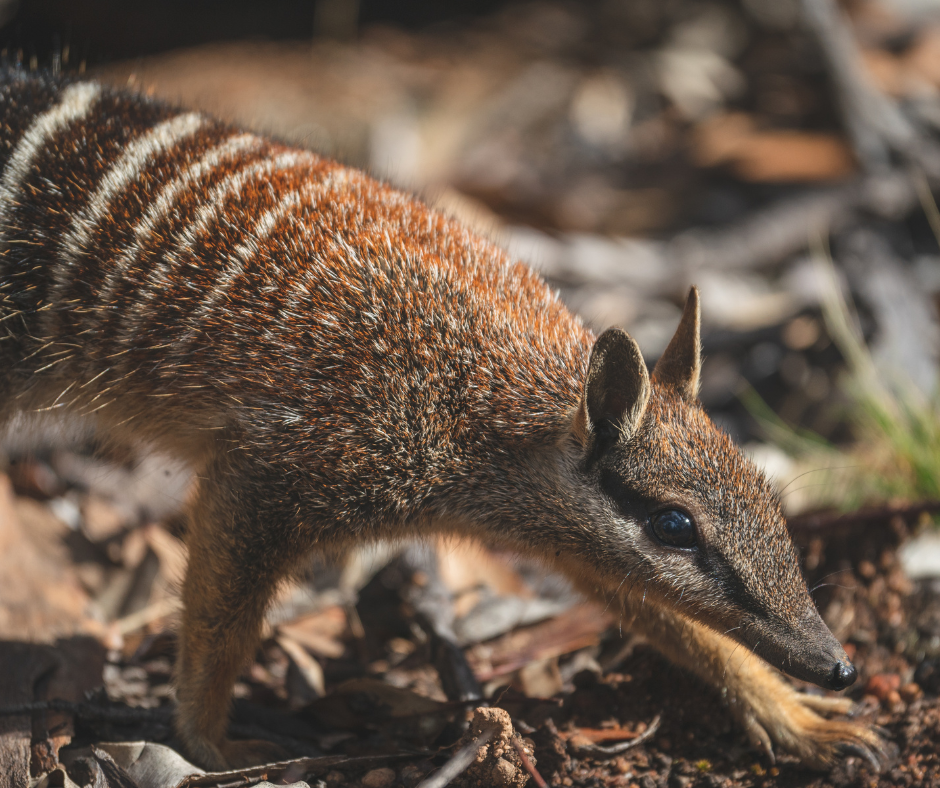
WA's Northern Jarrah Forest
Stretching from north of Toodyay to south of Collie, the Northern Jarrah Forest grows on the Darling Range, forming a belt between 30 and 70 km wide, 40 km from the coast of Western Australia.
The Northern Jarrah Forest has evolved over millennia in a delicate balance of climate, water, soils, plants, and animals. It is the world’s most biodiverse temperate forest, and many of the species here exist nowhere else in the world, with plant and animal diversity rivalling tropical rainforests.
More than 800 native plant species grow here. In addition to the dominant jarrah and marri, there are sheoak, banksia, and snottygobbles. Shrubs include grass trees and different types of legumes, protea, myrtles, and wattles. Forming the understory are various types of grass lilies, sedges, orchids, and other wildflowers.
Fungi populations are so diverse that over 100 species have been identified in single study sites.
Importantly, this forest offers high quality habitat for diverse species of birds, mammals, frogs, reptiles, fish and insects, many of them threatened, including black cockatoos, chuditch, quokka, numbat, woylie, and western ringtail possum.
For every one of these species, habitat loss and fragmentation are major contributors to their decline. Further, the recovery plans for each species refer specifically to threats from mining. What remains of their existing habitat needs to be conserved if they are to survive.
Threats to the Northern Jarrah Forest
The Northern Jarrah forests are one of a handful of Australian ecosystems most at risk of collapse due to the drying and warming climate. We’ve already seen significant forest collapse due to lack of water and longer, hotter summers, and this will worsen as climate change continues.
The WA Government ended commercial native forest logging at the start of 2024.
But another major threat to Jarrah forests continues, mining. Thousands of hectares of jarrah forest have been cleared, and companies including Alcoa, South32 and Telupac and want to clear more. These are just a few of the corporations who want to destroy this unique ecosystem for their profit.
As a movement, we are strong. We have kicked corporations out of WA’s forests before, and we can do it again. After a powerful community campaign, Rio Tinto announced in 2023 that it would withdraw applications to explore for minerals in 107,000ha of forests.
We’re coming together to formally object to Telupac and Alcoa’s applications stop them destroying even more fragile forest ecosystems.
The role of WA’s government to stop mining in the Northern Jarrah Forests
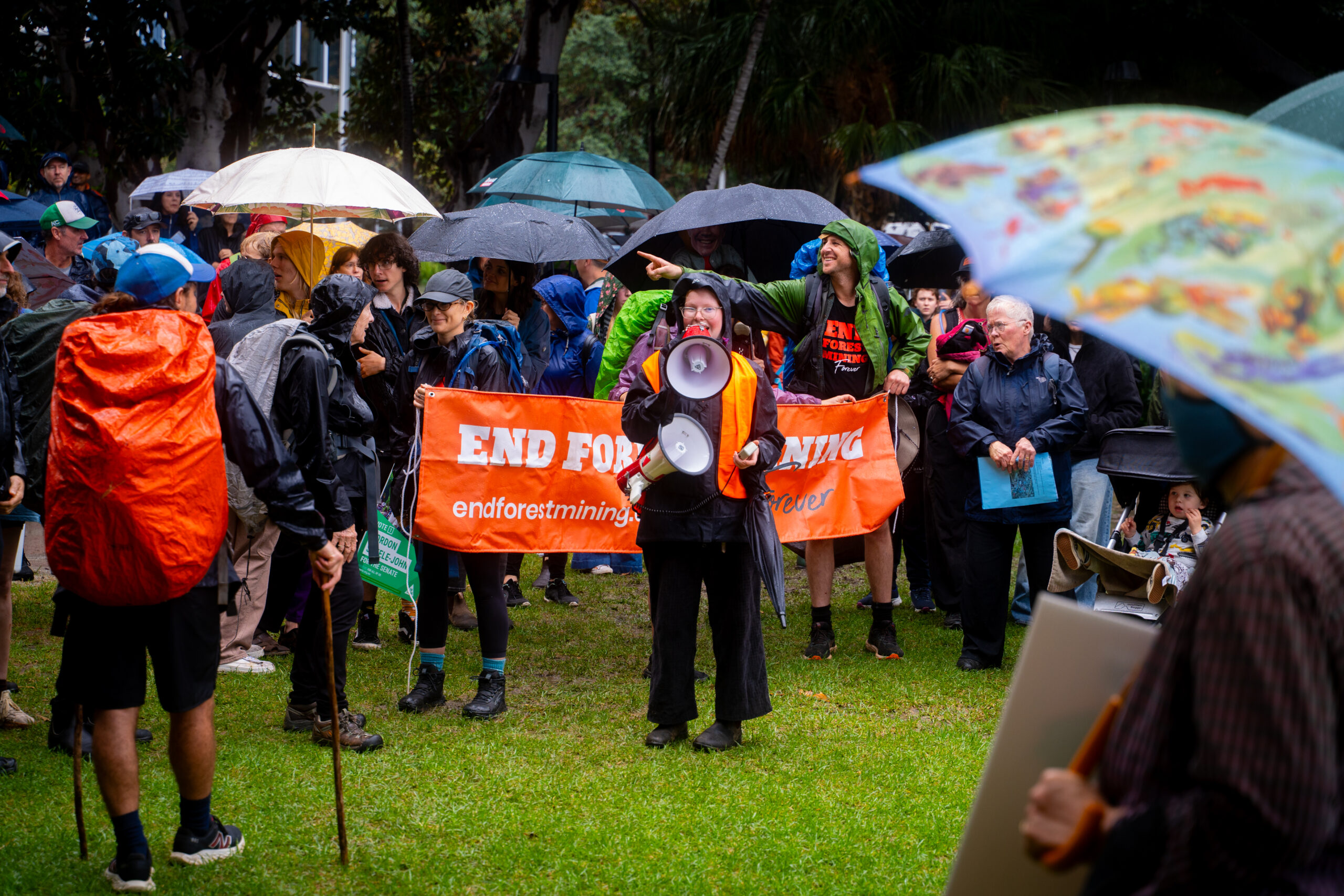
At the 2021 UN Climate Change Conference COP 26, more than 100 countries agreed to end deforestation by 2030 in recognition of the key role native forests play in drawing carbon out of the atmosphere.
For Australia to adhere to its promise, it must reject mining in Northern Jarrah Forests.
Forest collapse should be ringing alarm bells for our Government. Native forests are our best allies in mitigating and building local resilience to the escalating impacts of climate change and biodiversity decline.
For more detailed information about the Northern Jarrah Forests and bauxite mining, visit the End Forest Mining website.
End Forest Mining is an alliance of groups, including the WA Forest Alliance, all working together for a shared purpose: to end bauxite mining in WA’s Northern Jarrah Forest.