
Fire management in the Southwest
WA’s prescribed burning regime is out of date and destructive.
Every year the Department of Biodiversity, Conservation and Attractions (DBCA) incinerates huge areas of forests, woodlands and heath across the Southwest to meet its annual burn target, aiming to reduce the risk of bushfire, protect human life and property and maintain biodiversity.
In reality, this program is providing little protection from bushfires, is irreparably impacting fragile ecosystems in the Southwest, and is making forests more flammable in the short-term.
Science has shown us that over time, forests become naturally less flammable when left unburnt. In fact, mature forests can be three to seven times less flammable than those just burned. Each prescribed burn, in effect, resets the clock on this natural process.
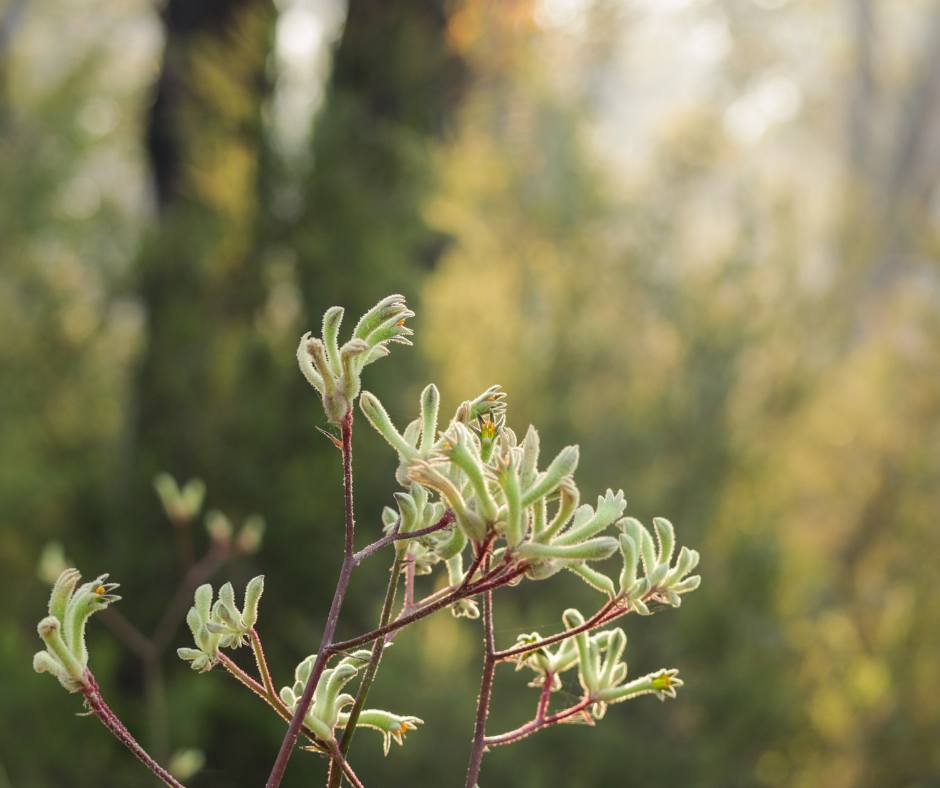
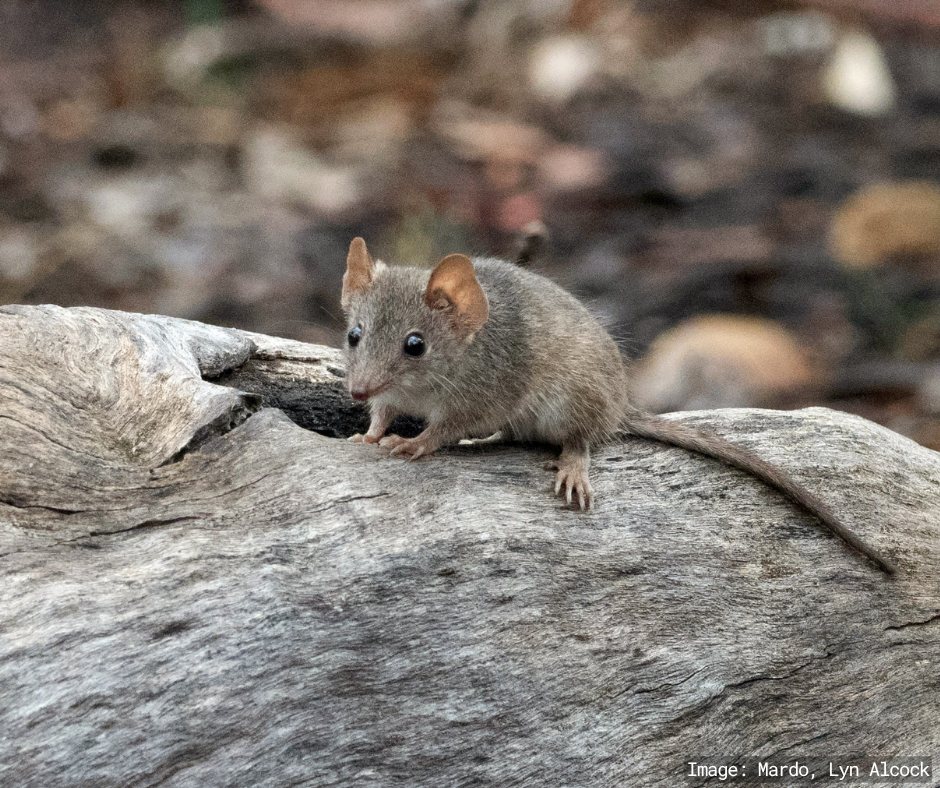
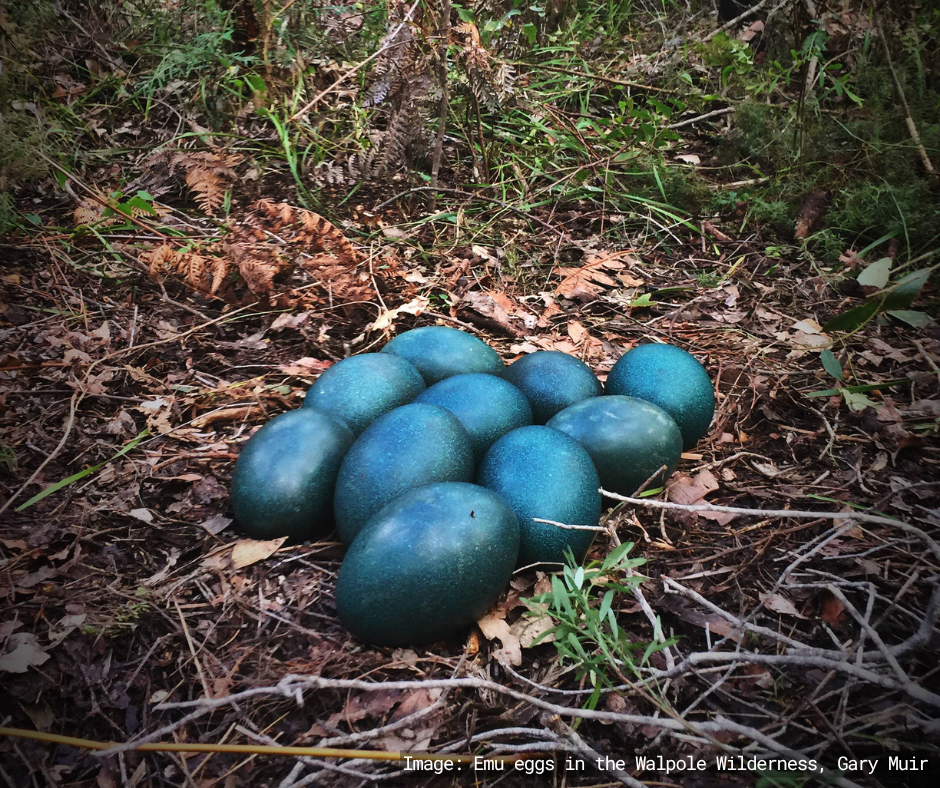
DBCA’s overly hot prescribed burns are also destroying delicate tingle forests, ficafolia (red flowering gum) forests, peatland ecosystems, and granite outcrops, permanently altering these places and killing endemic fauna. These ecosystems may not recover from repeat fire.
It’s vital we update the regime, in line with contemporary science, and the practices of Noongar people who have cared for this land for thousands of years. It’s time to burn less, on a small and sensitive scale. It’s time to burn better.
Where has it all gone wrong?
As climate change progresses and the Southwest gets hotter and drier, it is vital that prescribed burning in WA is brought into the 21st century, in line with the science. Rainfall has declined more in the Southwest than anywhere else in the country – 26% less than in 1999.
In order to cut costs, many fires are lit from planes creating intense, large fires that easily get out of control. Fauna have little time to escape, and many are cooked alive. A policy of frequent and repetitive burning does not allow ecosystems to fully recover between fires.
Landscapes are left burnt to a crisp, causing a loss in biodiversity, and over time, a regrowth of dense understory that leaves the forest more vulnerable to bushfires, defeating much of the purpose of prescribed burning.
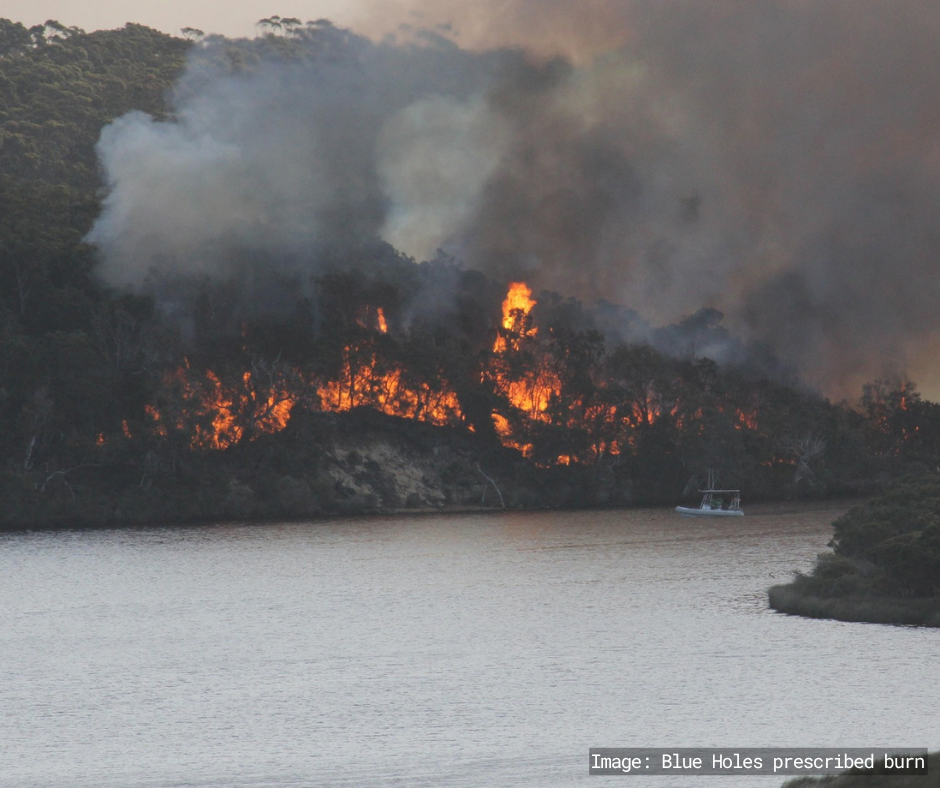
Fauna are trapped in the flames and have little chance of escape. Forest blocks are burnt at the perimeter to contain the burn, forcing fauna into the centre, where aircraft drop hundreds of incendiaries that can light up an entire block in minutes. There is little to no consideration given to fire-sensitive ecosystems.
Some of the most destructive burns are those that cover areas 5000 ha or more, often lit in remote areas far from settlements. They are so large that it is impossible to pay specific attention to fire-sensitive communities like empodisma peatlands and granite outcrops. Large burns do not follow the sustainable fire management principles that have been defined by the Department’s own scientists.
Protecting the tingles
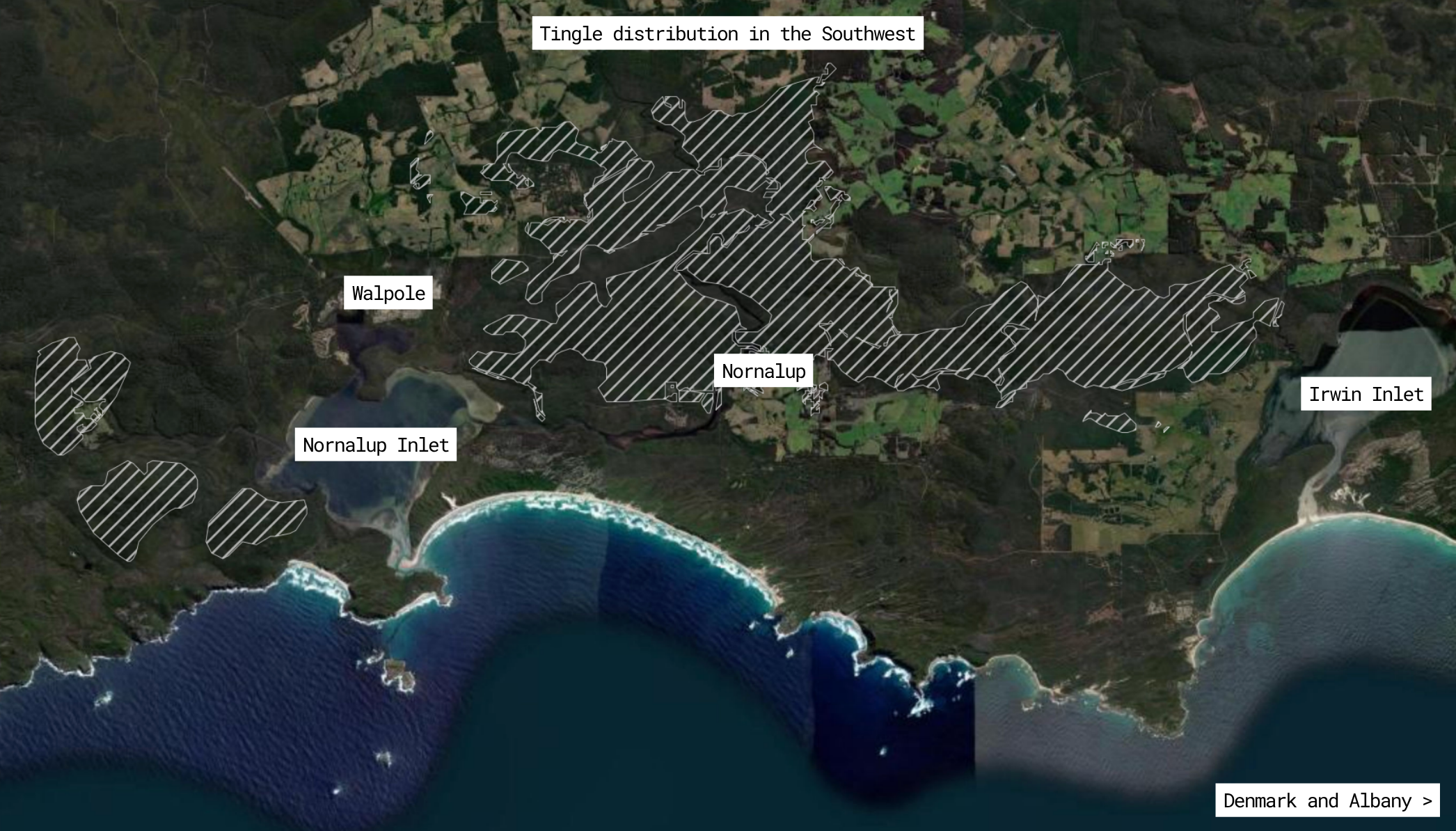
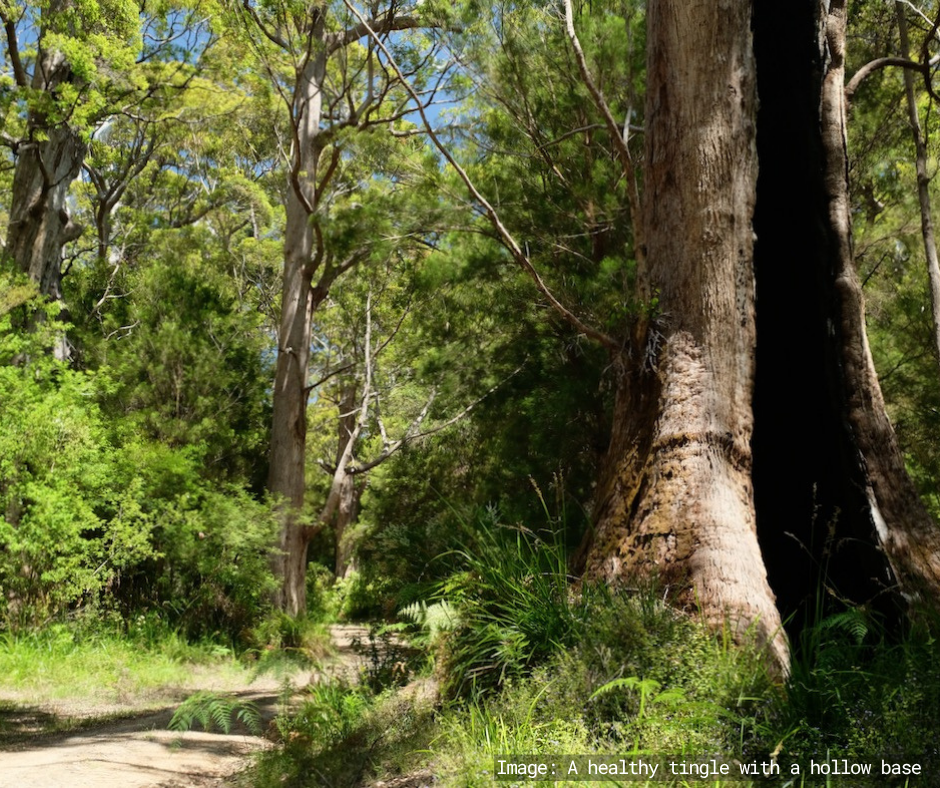
Tingles are a large, ancient tree species that are only found in a small area in WA’s Southwest, close to Walpole. They can live for more than 400 years, reach heights over 55 metres and have the largest base of any eucalypt, making them vulnerable to frequent fire. Importantly, they provide critical habitat to many threatened plants and animals.
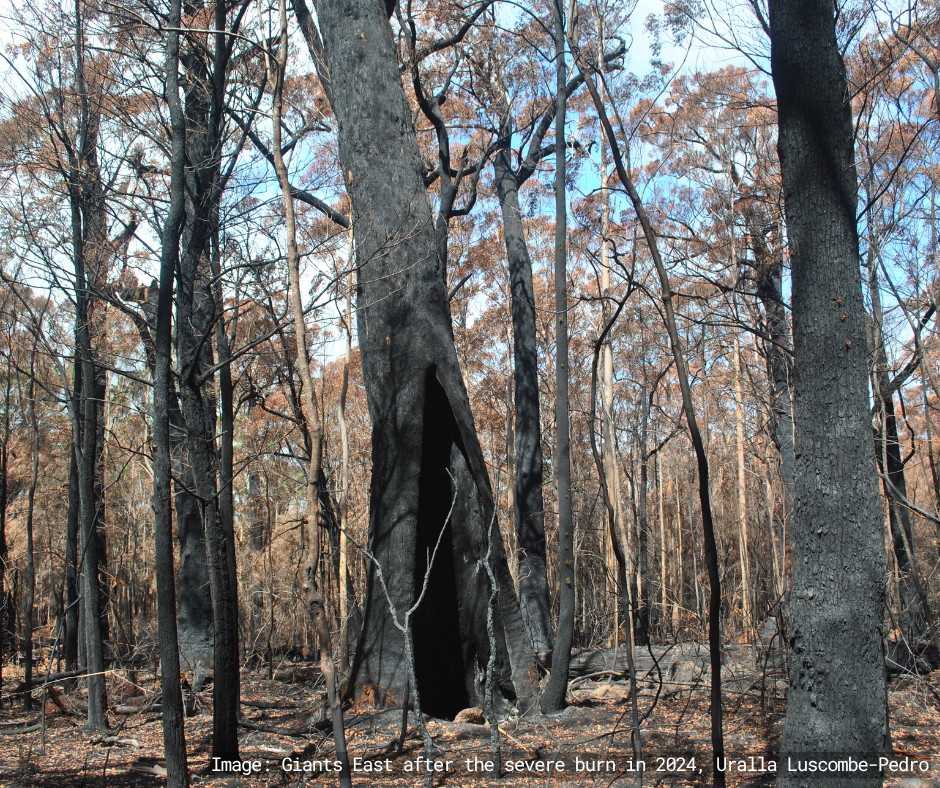
In December 2024, Giants East, a tingle forest block in the famed Valley of the Giants, was torched as part of DBCA’s prescribed burning program.
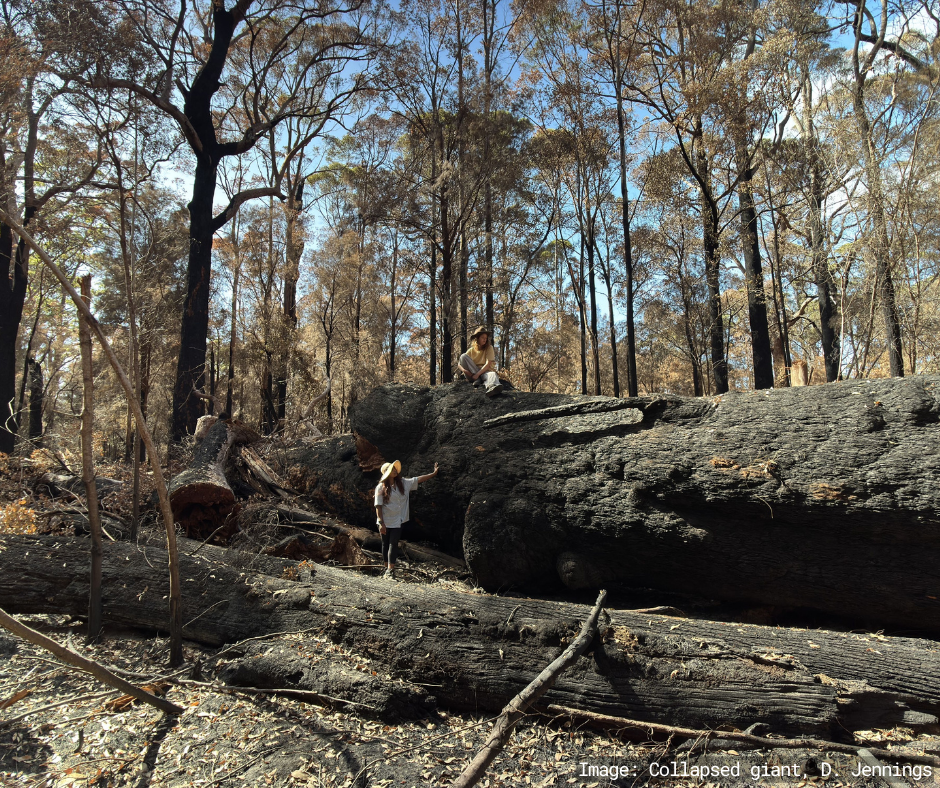
More than 100 giant trees collapsed in the intense burn, with flames reaching the tops of many trees in one of the worst outcomes seen by WA’s prescribed burning program.
Despite this mass felling, DBCA maintained that this burn only exceeded the accepted level of crown scorch by 10% — despite the 91-hectare area of tingle-karri forest experiencing crown scorch to the majority of tree canopies.
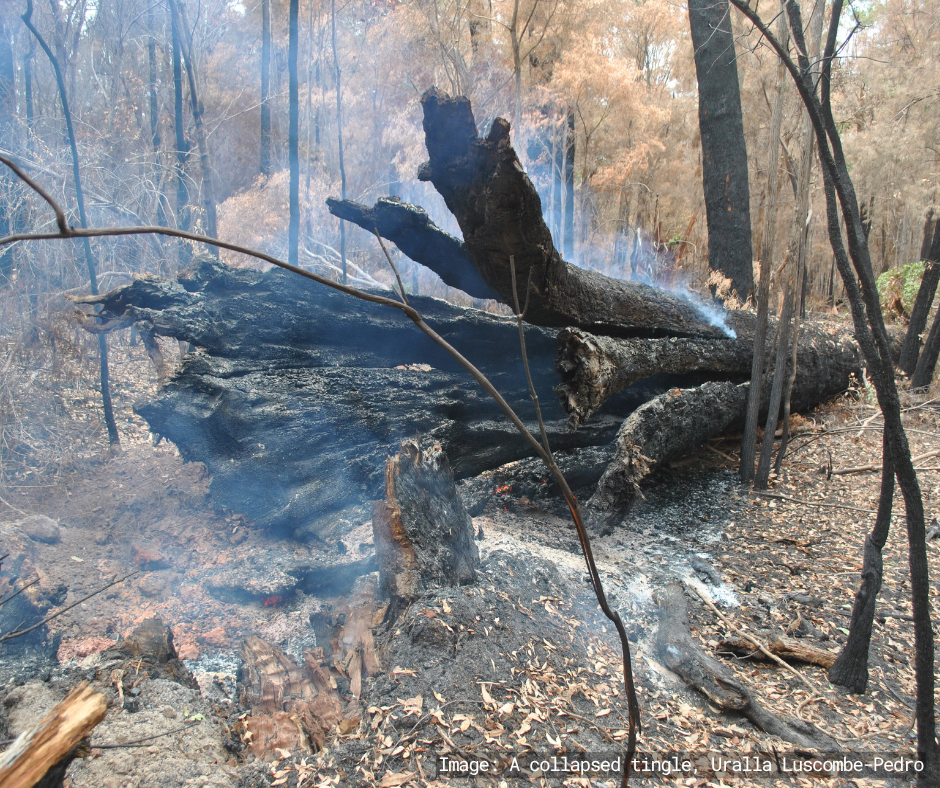
This is one of the worst outcomes ever seen under WA’s prescribed burning program, and the area will take many decades to recover. There is ongoing risk of tree collapse and falling dead limbs, making the area dangerous to visit and contributing significantly to the accumulation of dead, flammable material on the ground.
More than 100 giant trees collapsed in the intense burn, with flames reaching the tops of many trees in one of the worst outcomes seen by WA’s prescribed burning program.
Despite this mass felling, DBCA maintained that this burn only exceeded the accepted level of crown scorch by 10% — despite the 91-hectare area of tingle-karri forest experiencing crown scorch to the majority of tree canopies.
This is one of the worst outcomes ever seen under WA’s prescribed burning program, and the area will take many decades to recover. There is ongoing risk of tree collapse and falling dead limbs, making the area dangerous to visit and contributing significantly to the accumulation of dead, flammable material on the ground.
Tingles are particularly prone to severe damage from fire due to their shallow buttressed root systems, tendency to form basal hollows in the trunk and fibrous bark. Fire weakens the tingle by burning out the inside of the trunk, causing them to eventually collapse.
After persistent community action, three tingle-karri blocks, Nornalup, Coalmine and Mount Clare, received a reprieve at the end of 2025, with confirmation received that the blocks would not be burnt until after July 2026.
But these blocks, and other tingle forests, aren’t safe forever. They could be on the burn plan for 2026-27. There must be a commitment from the WA Government to permanently protect tingles from prescribed burning and revise how fire is managed in these areas, including building capacity to extinguish small fires early.
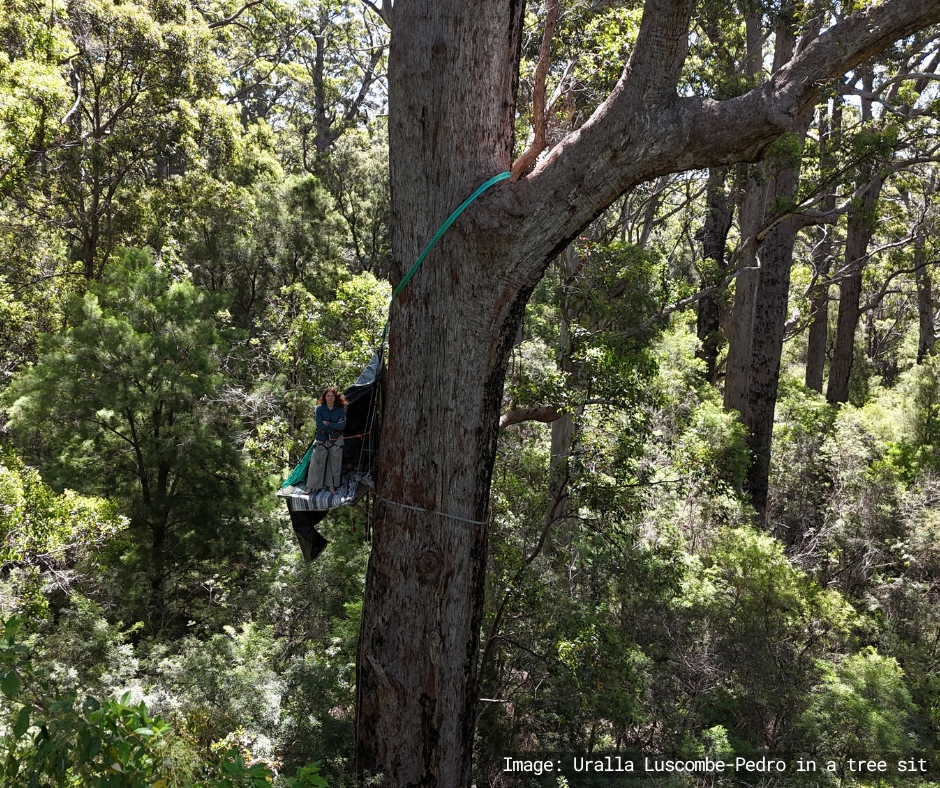
It is WAFA’s highest priority to protect tingles from the destructive prescribed burning program.
Shifting gears: Alternatives to large-scale burning
In a drying climate that is increasingly prone to bushfires, it’s important to be bushfire ready.
Prescribed burning can be completed in ways that protects life and assets from bushfires, without devastating biodiversity. Smaller, cooler fires lit by hand on the ground allow for more careful and considered burning. Sensitive ecosystems should never be burnt, and small strategic burns should only be lit in ideal conditions, not during restricted burning periods, on windy days, or when the ground is dry.
Large-scale prescribed burning is ineffective for bushfire suppression.
Cultural burning on Noongar land describes burning practices developed to enhance the health of Country and culture. These burns are vastly different to the large-scale, destructive burns lit by DBCA.
Iszaac Webb, Wadandi-Pibulmun cultural custodian says that fire has been used since the beginning of time, guiding it through the landscape in different ways. Fire is part of life and culture, used for cooking, dance, ceremony and to help look after Country, helping to replenish soil nutrients and supporting the regeneration of flora and fauna.
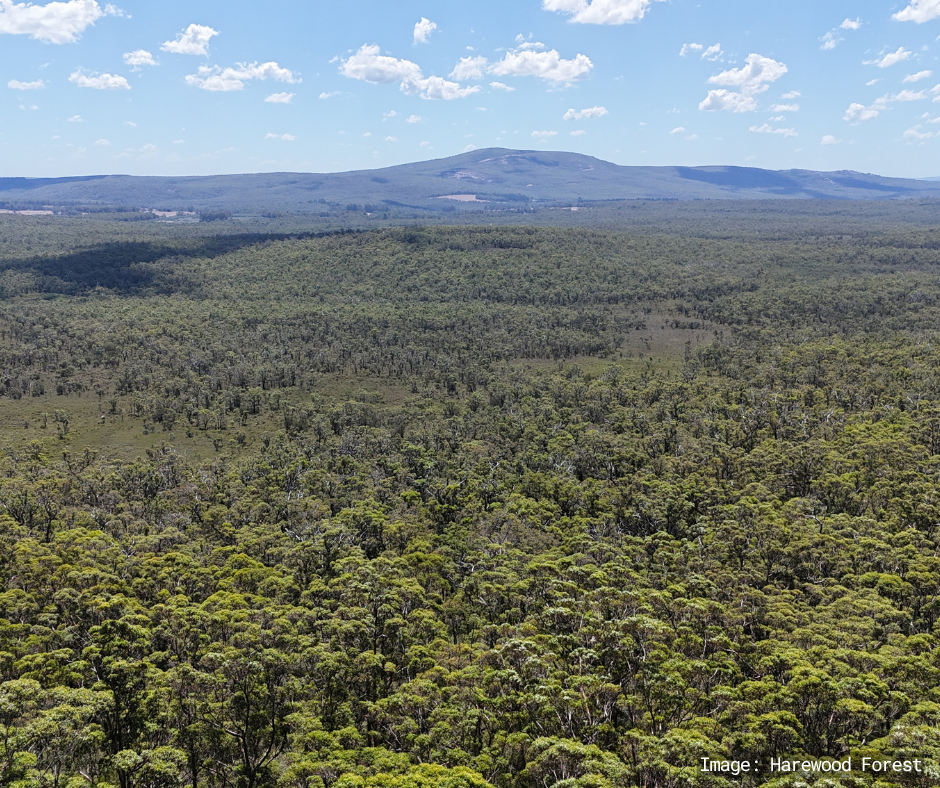
For tens of thousands of years Menang and Pibelmen Noongar people cared for Tingle forests without burning them. Studies show that forests decrease in flammability the longer they are left unburnt, and this trend does not change as the climate warms, meaning long-unburnt forests pose less fire danger than forests burnt in the last 40 years.
For some ecosystems, fire applied in the right season, at the right time can be beneficial, and reduce risk of potential bushfires. Fire applied by hand helps ensure that flames stay low, preserving forest canopy, a mosaic of burnt and unburnt areas is created, fauna can escape, the soil nutrient profile is improved, and seed germination is supported.
Rapid detection and suppression technology is constantly evolving, and 72% of Western Australians agree that there should be greater government investments in early detection and rapid suppression to stop bushfires escalating. Current detection methods (fire towers, resident reports via 000, aircraft patrols, and satellite data) are limited and can lead to time lags.
AI smoke detector cameras are being rolled out in a trial across the Southwest in 2025. These cameras will mean fires are detected quicker, making them easier to put out and they will give real time information to firefighters on how best to fight the fire. Similar technologies have been used in Queensland since 2001. For even earlier fire detection, gas sensors can detect the presence of smoke well before flames ignite.
Rapid detection is not enough, there are many instances when small fires have been detected early but delays in response occur.
New drones, equipped with thermal imaging technology, can map fire spread, identify hotspots and assess fire behaviours, enabling rapid and remote assessments that reduce risks to firefighting crew. Drones can also be equipped to drop water or fire retardants to remotely extinguish fires.
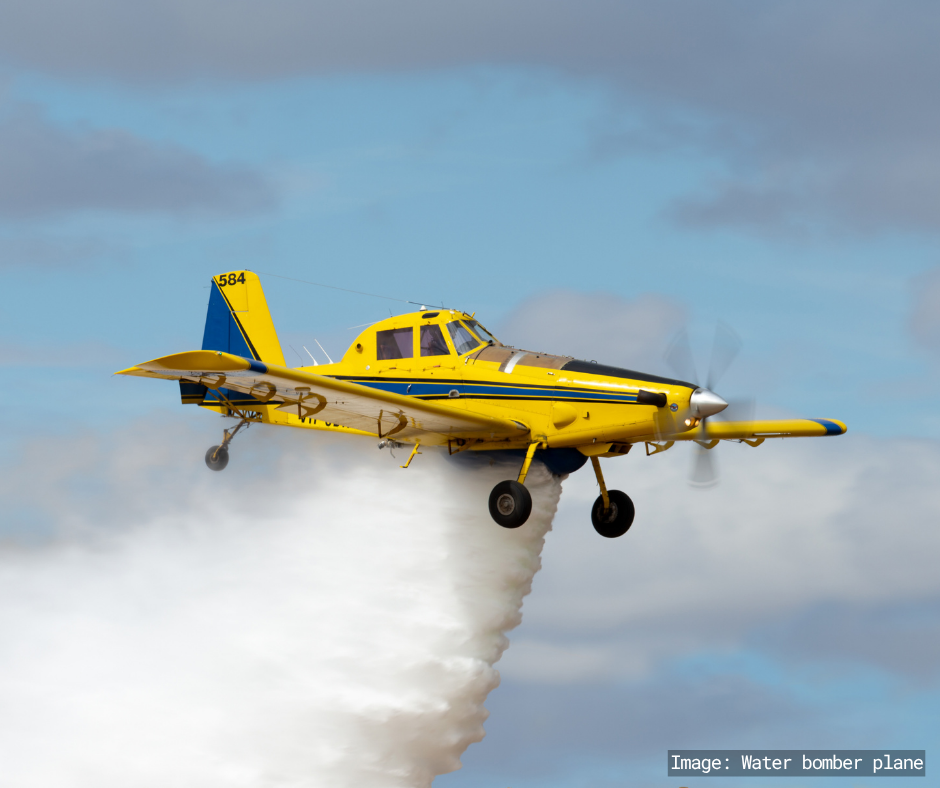
Australia’s National Aerial Firefighting Centre has more than 500 aircraft available for firefighting, but most of the national fleet is based along the east coast. WA urgently requires more firefighting aircraft and pilots based in strategic locations like Collie, Manjimup and Walpole to allow for rapid deployment to suppress fires before they get out of control.
On-ground firefighting capacity can also be improved. Improvement to planning and management of water points in forested areas, as well as more high-volume trailer-mounted water pumps for rapid refilling of water transport trucks and fire tankers ensures there is always water available to extinguish fires.
We’re pushing for WA to burn less, and burn better.
To prevent intense fires and biodiversity loss, DBCA must shift to a program that focuses on rapid detection and suppression strategies alongside First Nations-led cultural burning and targeted, low-intensity burns. Clinging to outdated practices in the face of climate crisis, biodiversity loss, and community concern is anything but sensible.
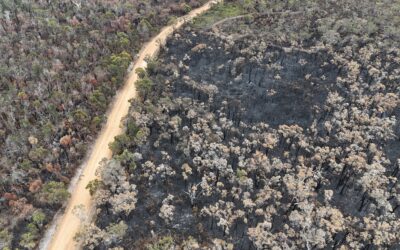
In focus: Large-scale aerial burning
The Department of Biodiversity, Conservation and Attractions’ (DBCA) penchant for large-scale aerial burning is destroying delicate ecosystems in the Southwest.
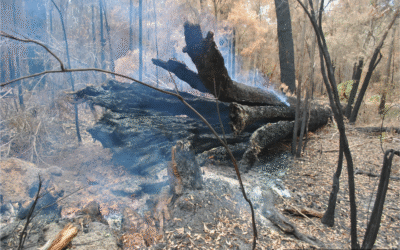
Tingle forest not out of the woods yet
Tingle forests have received a temporary reprieve from prescribed burning, but how did we get here, and what is still needed?
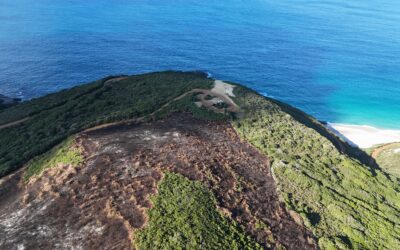
West Cape Howe burn gets the tick of approval
WAFA praises recent prescribed burn in West Cape Howe National Park as having a net gain for biodiversity and fire protection.
References
- Zylstra, Philip, et al. “Coming of Age: Research Shows Old Forests Are 3 Times Less Flammable than Those Just Burned.” The Conversation, 23 Mar. 2022, https://theconversation.com/coming-of-age-research-shows-old-forests-are-3-times-less-flammable-than-those-just-burned-179571
- The South West & Climate Change. Water Corporation https://www.watercorporation.com.au/our-water/climate-change-and-wa/climate-and-the-south-west
- Luscombe-Pedro, Uralla. Giants Tree Fall Assessment FRK_111. Feb. 2025, https://wafa.org.au/wp-content/uploads/2025/02/Giant-trees-fallen-Jan-2025_Uralla-version.pdf
- Webb, Iszaac. Welcome to Country, Fire and Biodiversity Forum Margaret River 2021. https://vimeo.com/channels/fabforum/page:1
- Zylstra, Philip, et al. “Self-Thinning Forest Understoreys Reduce Wildfire Risk, Even in a Warming Climate.” Environmental Research Letters, Mar. 2022, doi:10.1088/1748-9326/ac5c10