In a huge win for forest conservation in WA’s Southwest, Cocanarup has been protected from clearing for mining in a landmark decision by the state appeals convenor and the Environment Minister.
Located 15km south-west of Ravensthorpe, and encompassing around 9000ha, Cocanarup Timber Reserve is a critical nesting area for the endangered Carnaby’s Black Cockatoo.
The high concentration of hollow bearing Salmon Gum trees and the proximity to extensive and intact feeding habitat throughout the Ravensthorpe, Hopetoun and broader Fitzgerald Biosphere regions means that an estimated 60 pairs of Carnaby’s come to Cocanarup to breed each year.
Cocanarup is home to many other conservation significant species, including WA’s faunal emblem, the Numbat, as well as Malleefowl, Chuditch and Heath Mouse.
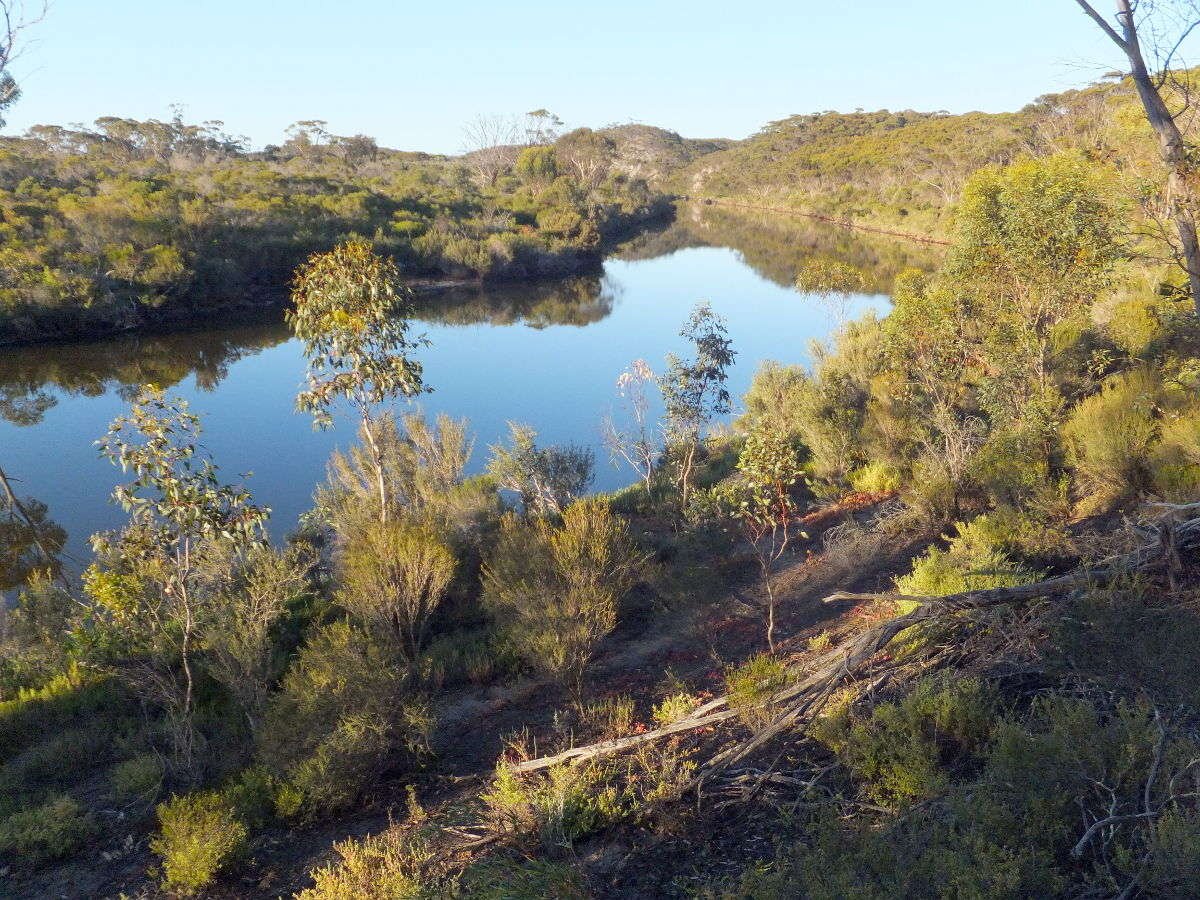
Image: Cocanarup Conservation Alliance
The Cocanarup Conservation Alliance Inc. has proposed a class A reserve for the area, covering some 65,000ha, a substantial and remarkably diverse area of complex and valuable landforms, plant communities, habitats and cultural sites and stories. This reserve encompasses Cocaranup Timber Reserve, and connects it with Fitzgerald River National Park to the South West.
In May 2022, Bulletin Resources Ltd. made an application to clear 7ha for exploration purposes within the proposed Cocanarup – Kundip Class A Reserve. After almost two years of deliberation, the Department of Mines published its decision to refuse the application in April 2024.
"It is not a climate solution to mine for critical minerals if it degrades intact forests or habitat for threatened species”.
In his report, the Environment Minister stated “lithium is one of the critical minerals to transition the world towards climate solutions, and half of the world’s lithium production comes from WA, it is not a climate solution to mine for critical minerals if it degrades intact forests or habitat for threatened species”. The appeals convenor also stated that “Biodiversity, habitat and ecosystems need to be protected, as well as finding solutions to mitigate against climate change.”
This is a landmark decision in WA’s journey to protect its remaining woodlands and forests. It proves that the WA Government is able to act for conservation, not just corporations.
In future, short of all remaining forests and woodlands being within protected areas, exploration permits for woodlands, forests and other vulnerable ecosystems should be rejected in the first instance.
It must be considered, what the purpose is of approving an exploration permit for minerals in an area where building a mine is not acceptable?
Proactively identifying no-go zones for vulnerable ecosystems would not only ensure their protection, but also avoid wasting the time of mining companies, community and conservation groups and the Government in the application for ultimately unsustainable projects.
Ending mining in woodlands and forests is critical in the biodiversity and climate crises.
WAFA welcomes the decision by Minister Swinbourn to protect this valuable ecosystem and hopes this forms a precedent for future exploration permit decisions.
Keep up to date with the Cocanarup Conservation Alliance on their website.