Back from the Brink: A Protection Agenda for Nature is a new report by Conservation Council of WA (CCWA), calling for sweeping nature law reforms in Western Australia to avoid further threatened species extinctions.
The report includes real-life examples of where policy is failing nature, with 36 recommendations for urgent change to protect WA’s unique biodiversity.
The release of the report follows the publication of new data revealing a shocking surge in the amount of habitat approved for clearing in 2026. Complex ecosystems across WA that have taken centuries to evolve that are incredibly difficult to restore and recover are being destroyed instead of being protected.
Environmental policy in WA is failing, and government attempts on reform have been unambitious, prioritising big business over nature. Companies like Alcoa, South32, Telupac, and more are all vying for a piece of WA’s precious forests, and mismanagement by government agencies is degrading biodiversity across the Southwest.
We are at a turning point, where the state government still has a chance to respond to the biodiversity crisis, and ensure that there are no further extinctions. But to do this, we need a
biodiversity strategy, no-go zones for critical habitat, and greater funding for the protection, restoration, and recovery of threatened species.
CCWA has published Back from the Brink as a framework to make that aspiration a reality, aiming to:
- Provide a reference guide to assist decision makers, government agencies and policy makers working towards effective environmental reform, and
- Assist CCWA’s member groups and broader community groups in connecting local or specific environmental issues with policy and legislative reform, to support collective environmental advocacy.
We thank CCWA for the opportunity to contribute to Back from the Brink, and we thank the many collaborators on the report, which brings together the expertise of conservation organisations, Aboriginal leaders and environmental specialists from across the state.
WAFA has identified several key recommendations that will benefit forests and forest conservation if implemented, including
- Reviewing prescribed burning in the Southwest;
- Supporting Aboriginal Rangers and appropriate land tenure arrangements;
- Strengthening Recovery Plans for all threatened species;
- Limiting use of environmental offsets;
- Adopting a bioregional planning framework;
- Funding nature conservation and State of the Environment Reporting and;
- Reforming water licensing and protections.
The report can be accessed here on CCWA’s website.
Below is a summary of case studies that are relevant to the work of WAFA.
Case Study 2: Prescribed Burning in WA with a Focus on the South West
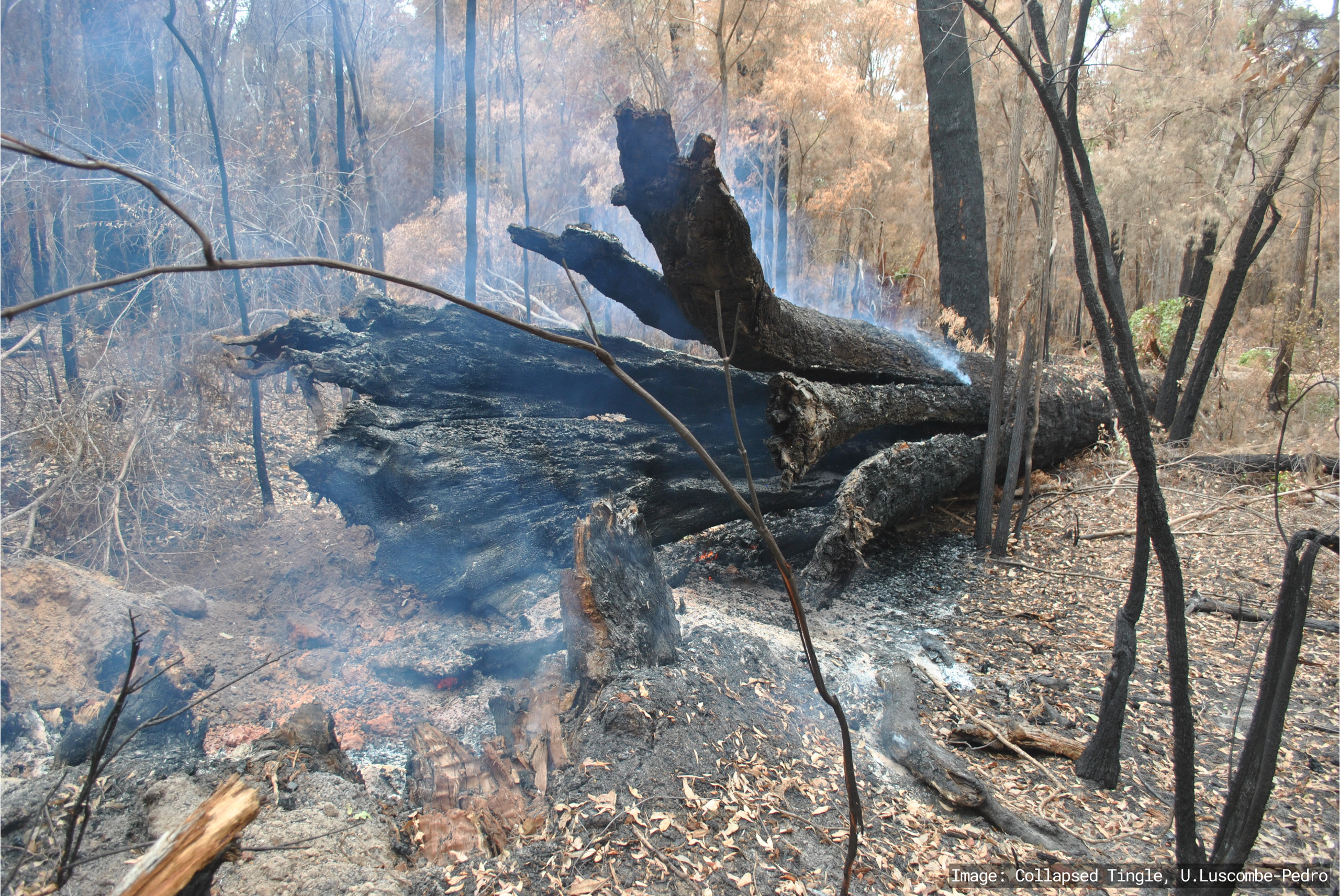
Prescribed burning is risking the loss of fauna including threatened species, destroying habitat and ecosystems, promoting a more fire-prone environment and is causing mass release of unregulated greenhouse gas emissions. It is one of the most serious threats to Western Australia’s biodiversity and other environmental, community and economic values, especially in the context of climate change.
Read Case Study 2 here or on pages 54 and 55 of the report.
Case Study 5: Northern Jarrah Forest South32 Expansion and Case Study 9: Boddington Bauxite Mine
The Northern Jarrah Forest (NJF) is the world’s most biodiverse temperate forest and largest remaining contiguous ecosystem in WA’s southwest biodiversity hotspot. With native forest logging ended, mining is now the major forest clearing and fragmentation threat. Bauxite mining threatens forests, water, endangered species and climate.
Read Case Study 5 here or on pages 60 and 61 of the report
Read Case Study 9 here or on pages 68 and 69 of the report
Case Study 3: Baudin’s – the Forgotten Black Cockatoo
Baudin’s Black Cockatoos are an iconic WA species, but they are at risk of extinction, predominantly due to the clearing of critical habitat, data gaps, lack of funding, and failure to update the status of the species. Conservation efforts so far have been insufficient, and the population has drastically declined since the 1950s.
Read Case Study 3 here or on pages 56 and 57 of the report.