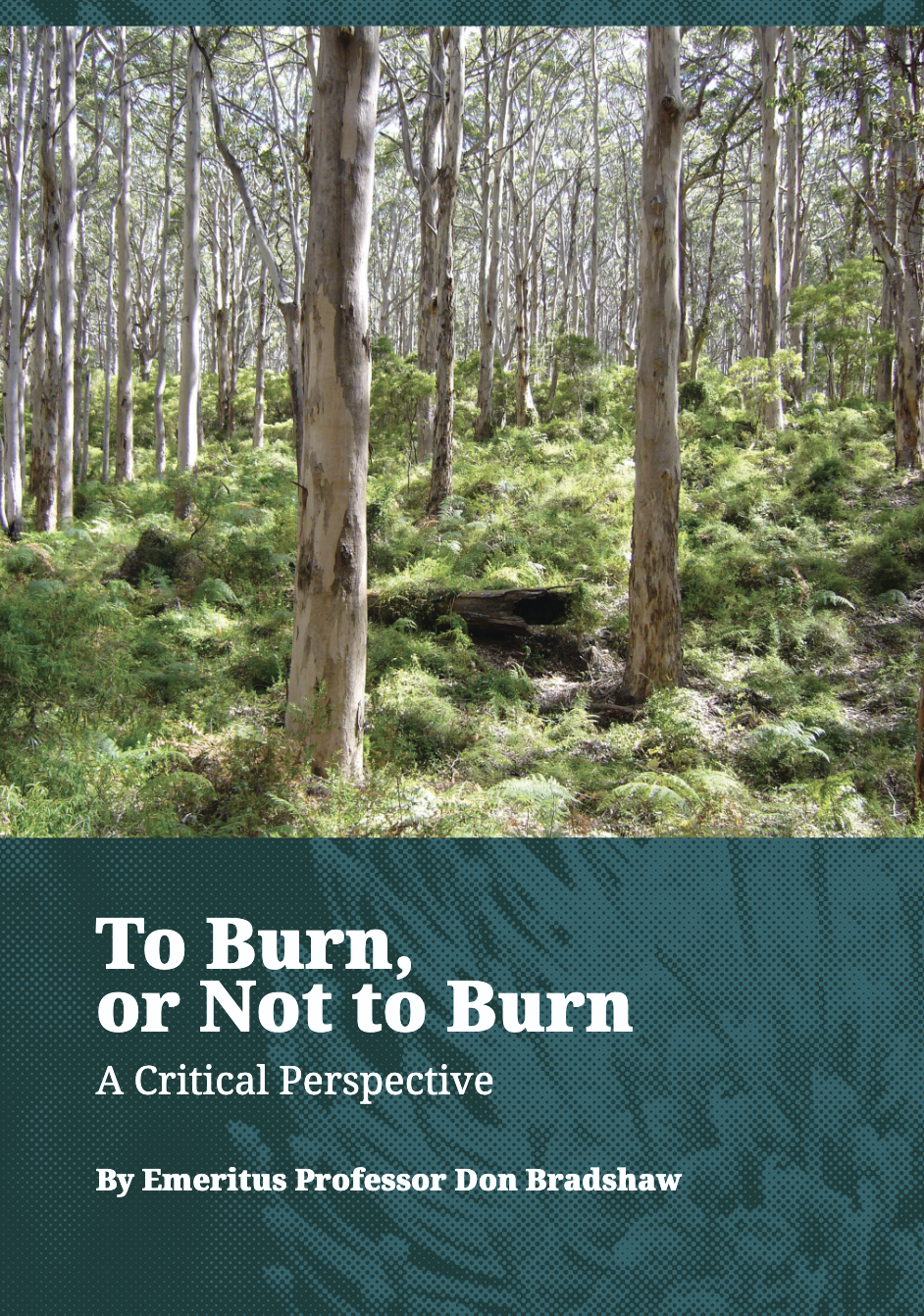
Tingles are a large, ancient tree species that are only found in a small area in WA’s Southwest, close to Walpole. They can live for more than 400 years, reach heights over 55 metres and have the largest base of any eucalypt, and provide critical habitat to many threatened plants and animals. They are vulnerable to frequent fire.
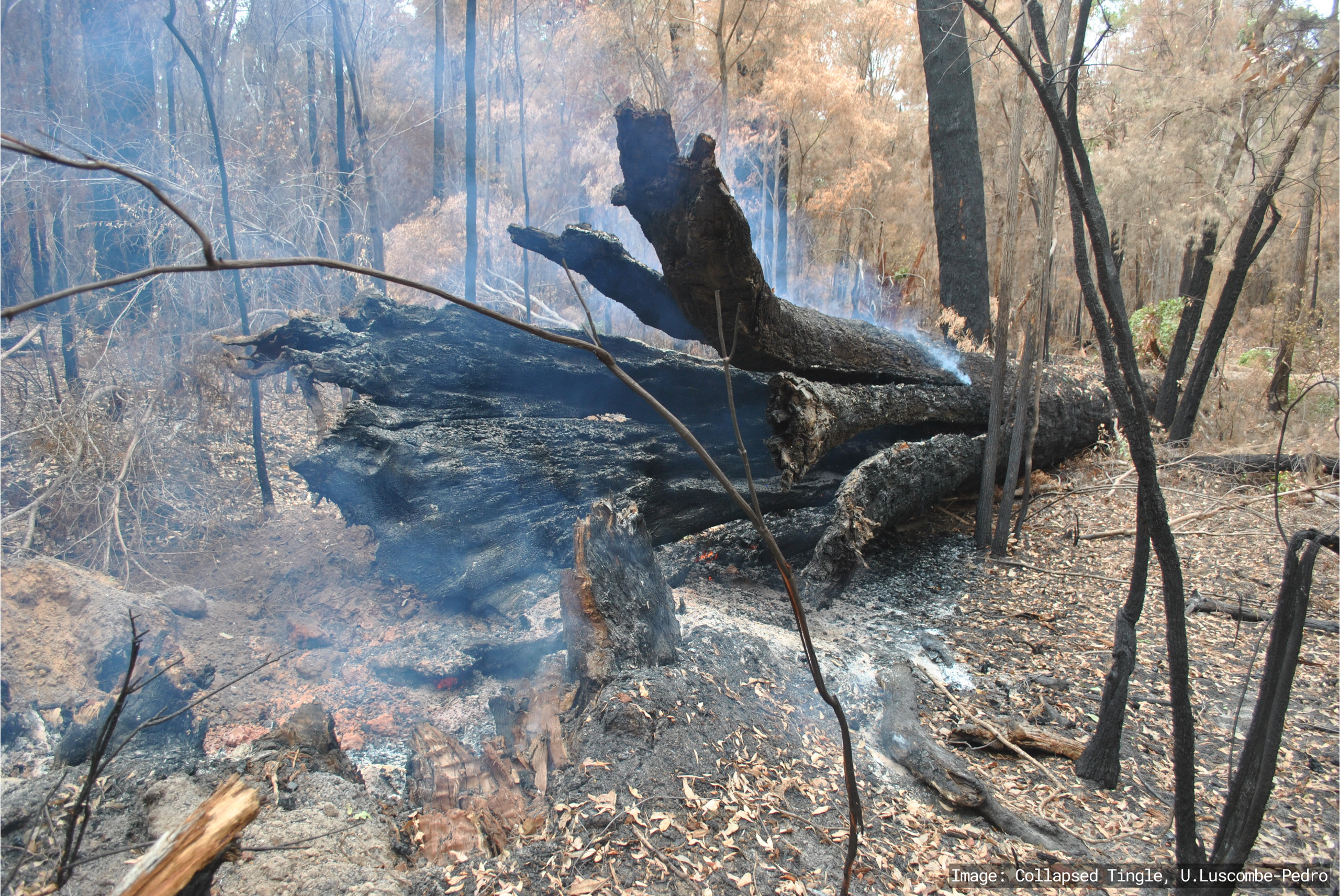
In December 2024, Giants East, a tingle forest block in the famed Valley of the Giants, was torched as part of the Department of Biodiversity, Conservation and Attractions (DBCA)’s prescribed burning program.
More than 100 giant trees collapsed in the intense burn, with flames reaching the tops of many trees in one of the worst outcomes seen by WA’s prescribed burning program.
After persistent community action, three tingle-karri blocks, Nornalup, Coalmine and Mount Clare received a reprieve at the end of 2025 and were removed from the burn plan until July 2026.
But these blocks, and other tingle forests, aren’t safe forever. They could be on the burn plan for 2026-27. There must be a commitment from the WA Government to permanently protect tingles from prescribed burning and revise how fire is managed in these areas.
Over time, tingle forests self-thin and become naturally less flammable. Left unburnt, they are less of a fire risk than forests burnt in the last 30 years.
In a drying climate that is increasingly prone to bushfires, it’s important to be bushfire ready, but prescribed burning shouldn’t be the only tool in our bushfire prevention kit. It is vital that the Southwest’s prescribed burning practices reflect current science and a changed climate, and funding is directed towards rapid detection and suppression of bushfires.